
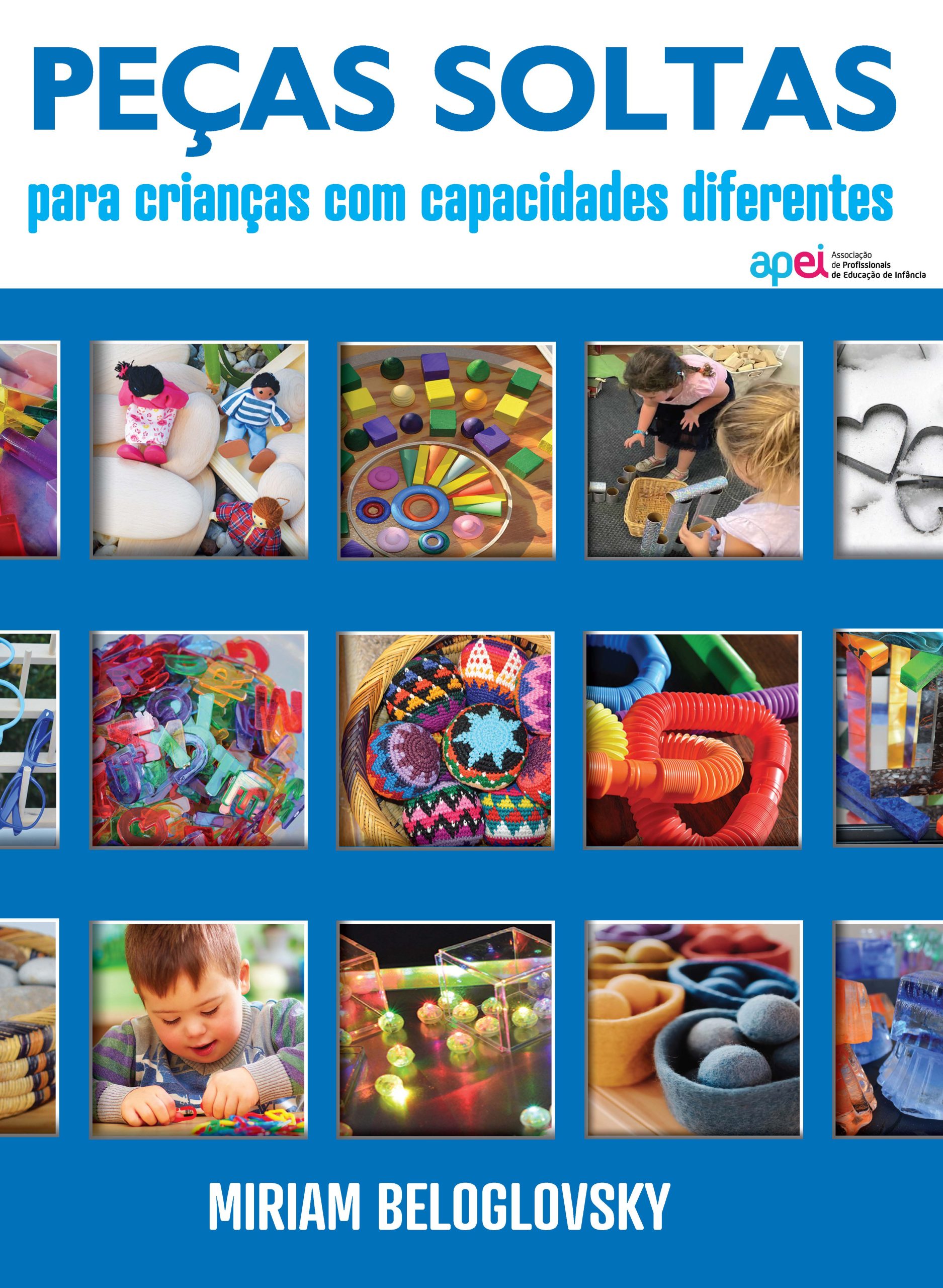
It is no secret that children have an innate need to play. Play is a wonderful activity that sustains life and fosters joy and hope. Play occurs at any age, at any stage, and throughout human history across all geographic regions and cultures. Children make sense of their world through play. They benefit from play opportunities that are child-initiated and child-directed. Children with disabilities or special needs also have an innate desire to play and engage in self-sustaining play. Therefore, play is a fundamental right for children with disabilities, and it must be respected, nurtured, and encouraged.
This book explores the importance of play while suggesting appropriate adaptations to support young children with different abilities. We should value play for its own sake, not as a means to achieve educational goals or promote the development of children with different abilities. I write this book as a commitment and an invitation to early childhood educators and families to see children with different abilities, recognize them as capable, competent, and creative, and listen to their voices. I invite you to create environments grounded in practices of peace and freedom, where children can become valued members of the community. Together, we must work to change the current educational narrative that silences the voices of many children—and, all too often, those of children with disabilities.
Table of Contents
Chapter 1 – The Importance of Inclusive Environments and Loose Materials 5
The Language of Loose Materials 8
Loose Materials to Inspire Adults to Be Joyful and Creative 9
Loose Materials for Children with Different Abilities 10
The Educator’s Role in Observing, Reflecting, and Supporting Play 15
Designing Environments That Foster a Sense of Belonging 16
Designing Environments That Promote Empathy and Compassion 17
Designing Environments That Promote Identity 18
Designing Environments That Promote a Sense of Community 19 Designing Equitable, Equal, and Inclusive Environments 20
The Study of Play in Children with Disabilities 24 Going Beyond the Label 26
How This Book Is Organized 27
Chapter 2 – Engaging the Senses 29
Sight 31
Hearing 34
Touch 37
Chapter 3 – Using the Body 39
Movement, Body, and Learning 40 Motor Development 44
The Proprioceptive and Vestibular Systems 47
Body Strength and Stability 49
Chapter 4 – Using Your Brain 52
Key Cognitive Functions 53
Motivation and Commitment 56
The Importance of Critical Thinking 59
Awe and Curiosity 63
Chapter 5 – Identity, Agency, and Relationships 66
Identity 67
Developing a Sense of Agency 70
Sense of Efficacy and Mastery 71
Developing Resilience and Protective Factors 73
Sense of Inclusion 74
Emotions, Communication, and Collaboration 77
Chapter 6 – Creativity 81
Visual Arts: An Expression of Hope 85
The Importance of Storytelling 89
Play and Creativity 91
Chapter 7 – Supporting the Whole Child 98
Therapeutic Opportunities in the Environment 99
Building Relationships with Families 101
Anti-ableist Education 102
Chapter 8 – Recognizing Basic Knowledge 106
Drawing on Families’ Basic Knowledge 106
Drawing on Children’s Basic Knowledge 109
Basic Knowledge of Consultants 110
Checklist of Considerations Regarding Loose Parts for Children with Different Abilities 116
Bibliography 123
Related
Related Products
-
Children under three years of age (€19) RECOMMENDED BY PNL 2027
Elinor Goldschmied & Sonia Jackson
Buy €32.00 -
Early Childhood Education for Sustainability (15€)
Valerie Huggins & David Evans
Buy €25.00 -
Playing Everywhere (2nd ed.) (15€)
Carlos Neto & Frederico Lopes
Buy €25.00 -

Catrapum, here's another one! (9€)
Rosa Montez
Buy €16.00
Sofia Ambrósio